

How Walking Therapy Changed the Way I Work: and Why I’m Now Teaching It
Actually, I did plan to become a walking therapist , even if I didn’t have a name for it yet.
It started with conversations. The really important ones, the profound, honest, life-clarifying kind, always seemed to happen with friends while we were walking. Something about the movement, the fresh air, the lack of eye contact made space for things that wouldn’t otherwise get said.
And then there was the restlessness. Sitting still all day in a consulting room, and I noticed it wearing on me. I began to wonder: was there something in this? Could the walking, the outdoors, the movement, be part of the therapeutic work itself?
So I went to explore it.
So I went to train with Hayley Marshall at the Centre for Natural Reflection. And something shifted.
Not just in how I worked. In why I worked.
What is walking therapy?
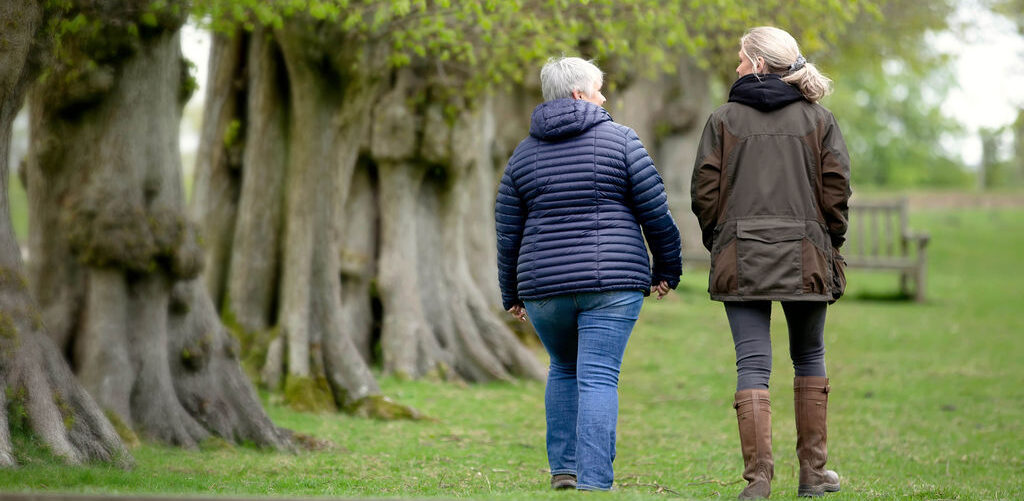
Walking therapy, sometimes called walk and talk therapy, is exactly what it sounds like: therapeutic sessions that take place outdoors, on foot, rather than in a traditional consulting room. Sessions typically happen in green spaces, parks, or quiet natural settings, and the movement itself becomes part of the therapeutic process.
It’s not a gimmick, and it’s not just for people who love the outdoors. It’s a clinically informed approach that draws on the well-evidenced relationship between nature, movement, and mental health.
What changed for me — and for my clients
Taking therapy outside changed the dynamic in ways I hadn’t anticipated.
The side-by-side movement created a different kind of equality. There’s no desk between us, no clock on the wall, no sense of being observed. The outdoors softened things. Clients who had struggled to open up in a room began to talk more freely. Things that had felt stuck began to move.
For some clients, the rhythmic quality of walking seemed to help regulate their nervous system, making it easier to approach difficult material without becoming overwhelmed. For others, it was simply the relief of not having to sit still and maintain eye contact while talking about something painful.
And honestly? I loved it too. I felt more present, more grounded, more alive in the work.
Walking therapy didn’t replace my indoor practice. It deepened it. It gave me more options, more flexibility, and a richer toolkit to bring to the people I work with.
Is walking therapy right for you as a client?
Walking therapy can be a good fit if you:
- Find it hard to open up in a traditional therapy room
- Feel better when you’re moving or spending time outside
- Experience anxiety, low mood, burnout, or stress
- Want a less clinical feel to your sessions
- Simply prefer the idea of talking while walking
It’s worth knowing that walking therapy isn’t suitable for everyone, and a good therapist will always have an honest conversation with you about whether it’s the right approach for your needs. Sessions are conducted in safe, accessible locations, and your comfort and pace, literally and figuratively, always come first.
Why I’m now training other therapists in walking therapy
I’ve been a counselling educator for a long time. And when something genuinely transforms my practice, I want to share it.
I now offer one-to-one walking therapy training for therapists who want to take their work outside. It’s practical, personal, and built around your specific practice and context, not a one-size-fits-all course.
We’ll cover:
- The evidence base for outdoor and nature-based therapy
- Practical and ethical considerations (risk assessment, accessibility, confidentiality)
- How to adapt your existing therapeutic approach for an outdoor setting
- Contracting with clients for outdoor work
- What to do when the unexpected happens, because outside, it sometimes does
If you’re a counsellor, psychotherapist, or other mental health professional curious about expanding your practice outdoors, I’d love to have a proper conversation about how this could work for you.
Frequently asked questions
Where do walking therapy sessions take place?
Sessions take place in agreed outdoor locations, usually local parks or green spaces that are accessible, reasonably quiet, and familiar to the client. Location is always discussed and agreed in advance.
What happens if the weather is bad?
This is always part of the conversation at the contracting stage. Some clients are happy to walk in light rain; others prefer to have an indoor backup option. We plan for it.
Is walking therapy available online or as a course?
My therapist training is delivered one-to-one, so it fits around your schedule and your practice. Get in touch to find out more.
Do I need any special qualifications to train in walking therapy?
You’ll need to be a qualified or trainee therapist working under supervision. If you’re unsure whether you’re at the right stage, just ask; I’m happy to chat it through.
Curious? I’d love to tell you more.
Whether you’re a client wondering if walking therapy might suit you, or a therapist thinking about taking your practice outside, feel free to get in touch. This work has genuinely changed how I show up, and I’m always glad to talk about it.